University–Industry Collaboration for Education Strengthens at Buharkent Vocational School
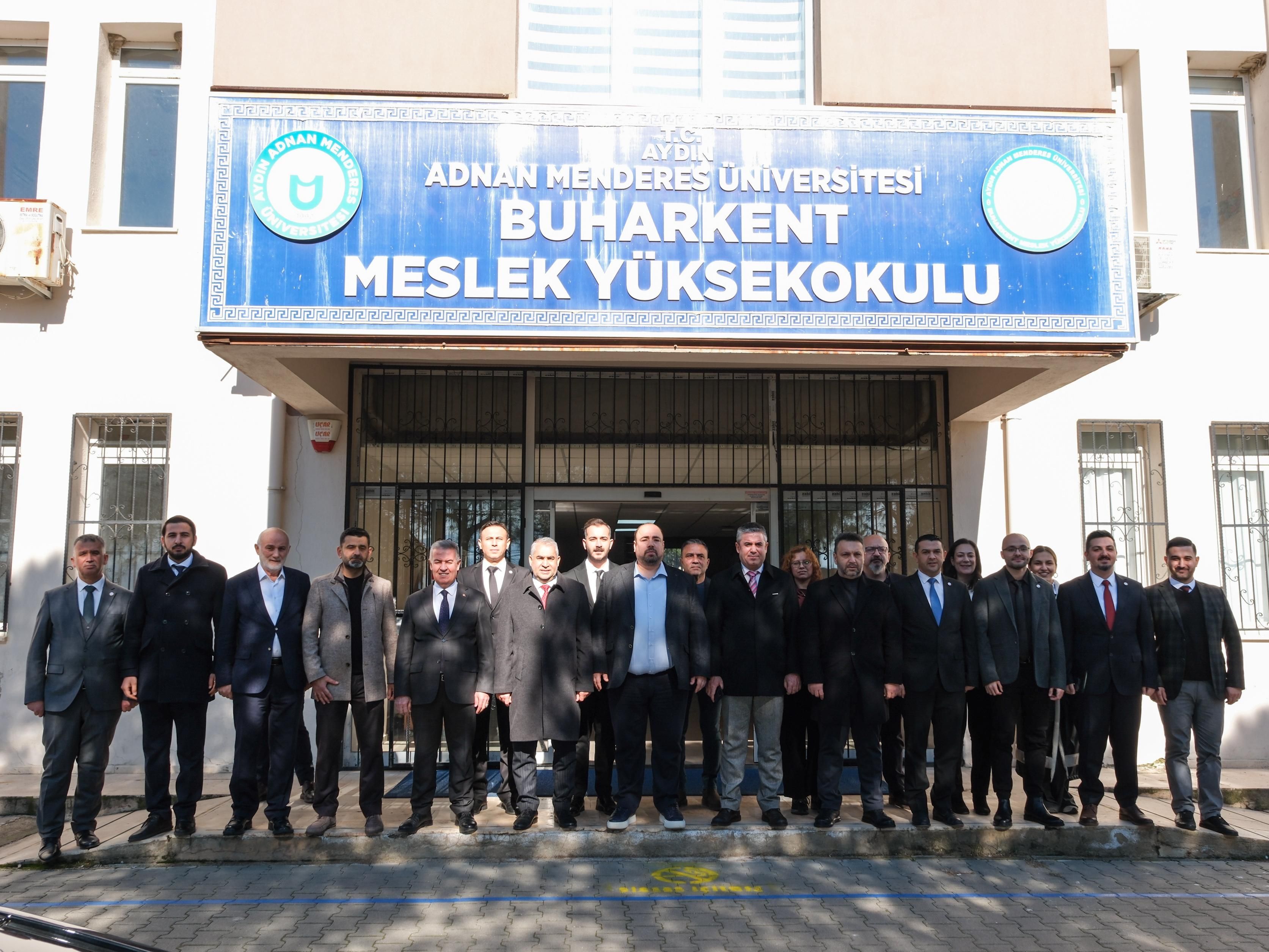
Aydın Adnan Menderes University (ADU) Rector Prof. Dr. Bülent Kent visited Buharkent Vocational School (MYO) on January 20, 2026, where he inaugurated laboratories established within the scope of university–sector collaboration.
The NetSpeed Inc. Computer Laboratory has been equipped with an artificial intelligence–supported and high-capacity infrastructure aimed at providing students with the digital competencies required by today’s world. Thanks to the high-performance computers and licensed up-to-date software packages available in the laboratory, students can conduct hands-on studies in areas such as artificial intelligence applications, data analytics, algorithm development, programming languages, cybersecurity, network management, and digital design.
Designed in line with a project-based learning approach, the laboratory enables students to apply theoretical knowledge to real-life scenarios. While collaboration, communication, and problem-solving skills are supported through teamwork and applied projects, AI-supported learning tools provide students with personalized feedback. This structure contributes to students’ ability to manage their learning processes more effectively and adapt more quickly to digital business processes.
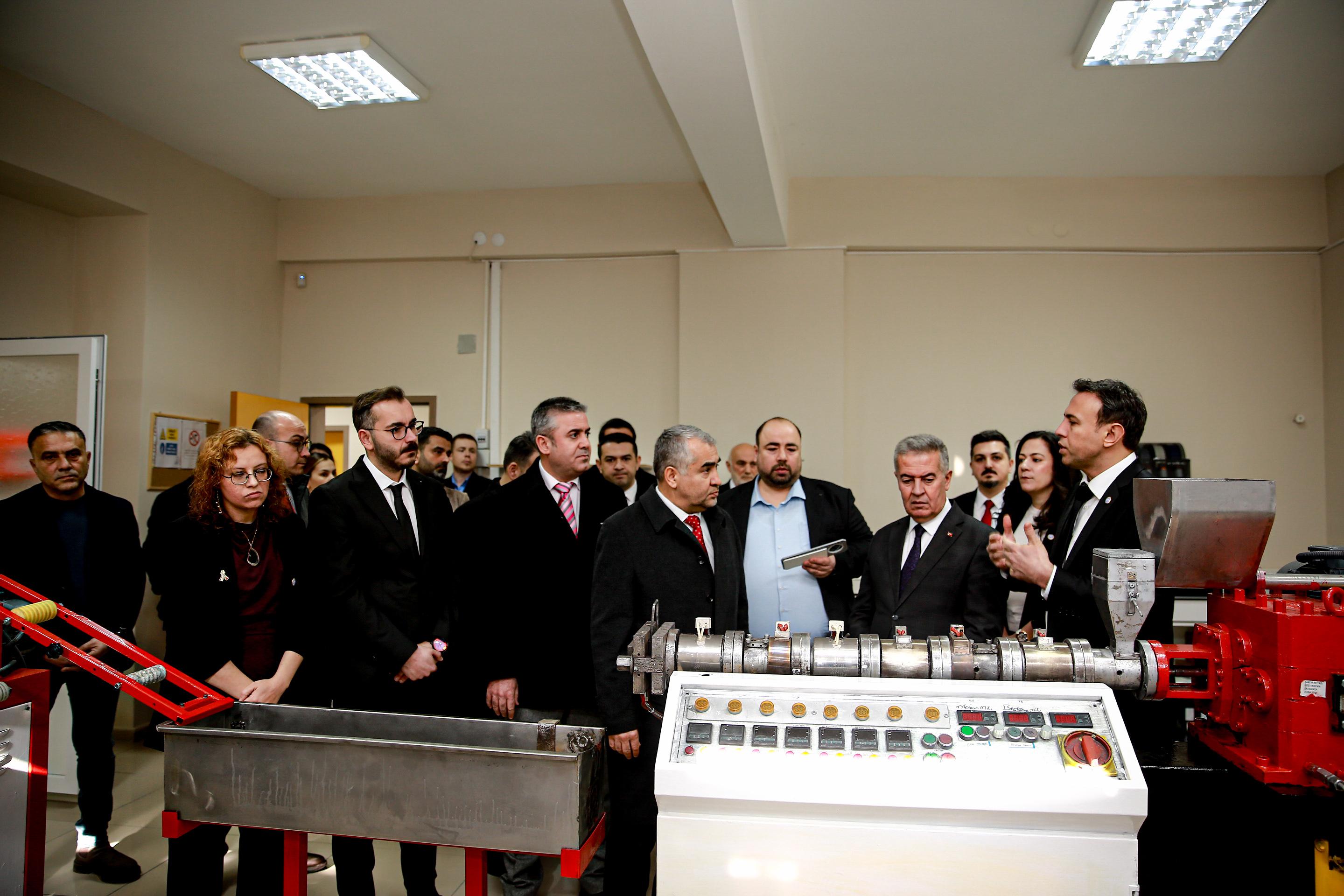
The Polymer Technology Laboratory, on the other hand, makes significant contributions to applied education in production technologies and materials science. Experimental studies are carried out on samples obtained from various polymer types—particularly ABS (Acrylonitrile Butadiene Styrene)—focusing on surface roughness, microstructure analysis, and the evaluation of mechanical properties.
Thanks to the filament-type and resin-type 3D printing systems available in the laboratory, rapid prototyping, design validation, and production processes are carried out in a hands-on manner. These technologies support a sustainable production approach by enabling polymers to be produced from scratch as well as recycled and reprocessed.
Speaking at the opening ceremony, Rector Prof. Dr. Bülent Kent emphasized the strategic importance of applied education in higher education, stating that students’ ability to transfer theoretical knowledge to practice and production is only possible with a strong technological infrastructure. He noted that these investments, realized through university–sector collaboration, enhance the quality of educational programs and provide students with the opportunity to work directly with cutting-edge technologies.